19 FEBRUARY 2026
Co-codamol 30/500 Supply Problems – Important Information for Patients
Why is this happening?
There is currently a UK-wide shortage of co-codamol 30/500 tablets.
Supplies are expected to be limited from early February 2026 until the summer.
Other forms of co-codamol (such as capsules, soluble tablets, or different strengths) cannot fully meet demand, so we may not be able to switch everyone to another type of co-codamol.
What this means for you
You may not receive your usual supply of co-codamol 30/500 tablets.
Your prescriber or pharmacist may discuss alternative options with you, such as:
Why reducing co-codamol might help you
Long-term use of co-codamol is generally not recommended.
Regular use can lead to:
Tolerance – it may stop working as well over time
Side effects – such as sleepiness, nausea, or constipation
Dependence – your body can become used to it, causing withdrawal-type symptoms if reduced suddenly
How to reduce co-codamol safely
Normally, people reduce by:
Due to current supply problems, you may be advised to reduce more quickly, for example:
Some people notice flu-like symptoms, sweating, restlessness, or feeling “on edge” when reducing. These symptoms usually settle within a few days.
Always follow the plan agreed with your prescriber.
What you can do now
Check what co-codamol you already have at home and use this before ordering more
Only order co-codamol when you need it
Speak to your pharmacist or prescriber if you are concerned
Be open to alternative pain relief options – many patients manage well on simpler medicines
This shortage may also be a good opportunity to review whether co-codamol is still the best medicine for you.
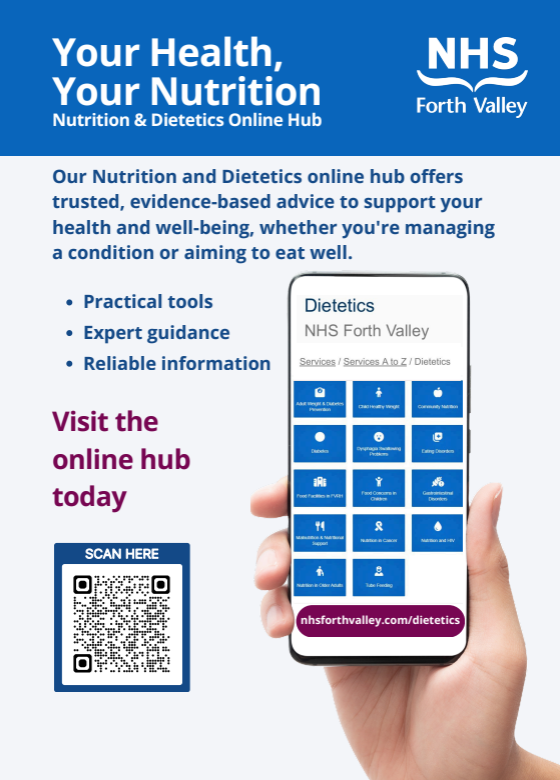
NHS Forth Valley – Dietetics click this link for further help and support
Telephone calls to and from Ochil Medical Practice are recorded and monitored for training and quality purposes.
We are making changes to our urgent same day appointments system. From Monday 2 September 2024, if you are requesting an urgent same day appointment or advice, please contact the surgery between 8.30 and 2.00 pm. Depending on the nature of your problem, you may be redirected to other, more appropriate, healthcare providers. Otherwise, you will receive a call back from a member of our clinical team who will assess your issue and allocate an appointment, if required.
The practice's telephone triage system will close at 2.00 pm each day or earlier if the practice is at a clinically unsafe level of demand for on-the-day urgent care.
If you phone after 2.00 pm, you will be asked to call back the following day, as the clinical team will be dealing with pre-booked patients during the afternoons.
We are also introducing a cap to the number of daily contacts per clinician, based on RCGP and BMA advice for safe working limits. If this cap is reached before 2.00 pm, patients will also be redirected as above.
We thank you for your cooperation and ongoing support.
MIA - Minor Injuries Assessment Service
In September 2020 this new service was launched in Forth Valley to provide quicker, more convenient treatment for minor injuries and avoid overcrowding to help keep staff and patients safe. Anyone with a minor injury is now being asked to call MIA – the new Minor Injuries Assessment service on 111 from 8.30 am to 9.00 pm, seven days a week. Patients will then be offered a video assessment so they can quickly access clinical advice or an appointment in either Stirling or Larbert so they don’t have to wait to be seen when they attend. Find out more ➡️ https://nhsforthvalley.com/call-mia-new-service-offers-qui…/